12 hr 30 min
Scottish Highlands Day Trip: Loch Ness, Glencoe & Beyond
- Expert local guide
- Small group
- Skip-the-line access
- Free cancellation
Stirling Castle, Loch Lomond & Whisky — Highland Day Trips
Renaissance fortress, glacial loch, and distillery heritage, one Highland day
Compare fares, pick the fit — all bookings are mobile-voucher and eligible for free cancellation where shown.
12 hr 30 min
9 hr
1 hr
Selecting the right pass for your stirling castle loch lomond & whisky experience helps you navigate Scotland's historic royal court with ease. Whether you prefer a standard visit or a comprehensive regional pass, these options ensure seamless access to the landmark.
|
Top pick Standard Admission Timed entry access |
City Explorer Pass Fast-track multi-site access | |
|---|---|---|
| Entrance fee | 20.5 GBP | Variable |
| Access method | Timed entry slot | Flexible walk-up |
| Areas included | Royal Palace & Great Hall | All major city landmarks |
| Best for | First-time visitors | Multi-day sightseers |
| See tickets & prices |
Verdict: First-time visitors should choose the standard entry for the best stirling castle loch lomond & whisky tour experience, while those exploring further should opt for the city pass.
Worth it for history enthusiasts and castle lovers
At 20.5 GBP gate price, Stirling Castle delivers exceptional value for those drawn to Scotland's Renaissance architecture and royal heritage. The meticulously restored Royal Palace—with its vibrant tapestries and carved oak interiors—and the vaulted grandeur of the Great Hall justify the entrance fee through sheer craftsmanship alone. The expansive grounds offer panoramic views across the Forth Valley and battlefields that shaped Scottish independence, providing context far beyond a quick photo stop. Multi-attraction day trips from Edinburgh and Glasgow bundle stirling castle loch lomond & whisky tours with Loch Lomond cruises and Highland landscapes, spreading costs across 8–10 hours and making standalone admission competitive. Solo gate entry works best for visitors allocating 2–3 hours to explore the palace chambers, chapel, and ramparts without rushing. The ticket pays off when you engage with costumed interpreters and the Stirling Heads gallery—surface-level walkthrough tourists may find the price steep relative to time spent.
Bottom line: The 20.5 GBP investment rewards those who dedicate proper time to the Royal Palace interiors and treat the castle as a historical deep dive rather than a quick landmark tick.
They complement each other; most visitors who do both call the combined Stirling castle loch lomond & whisky tour the more immersive way to experience the region.
|
Top pick Stirling Castle (Solo) |
Combined Day Tour | |
|---|---|---|
| Focus | History & Royal Heritage | |
| Duration | 2–4 hours | |
| Flexibility | High (self-paced) | |
| Transport | Public transit or car | |
| Includes Whisky | No | |
| Includes Loch Lomond | No | |
| Best for | Deep history enthusiasts | |
| Price | 20.5 GBP | |
| See tickets & prices |
Verdict: Choose the solo visit if you prefer spending a full day exploring the castle's architecture and history, or opt for one of the stirling castle loch lomond & whisky tours to see the national park and distillery without the stress of driving.
Hand-picked experiences loved by thousands of travelers
8.5 hours
Free Cancellation
Discover Scotland's legendary landscapes and royal heritage on this full-day coach adventure
10.5 hours
Free Cancellation
Discover Scotland's rugged beauty on this full-day adventure through mountains, lochs, and historic sites
10 hours
Free Cancellation
Journey through Scottish history, stunning highland landscapes, and award-winning whisky making
9.5 hours
Free Cancellation
Journey through Scotland's castles, lochs, and legends on this full-day adventure from Edinburgh
9 hours
Free Cancellation
Explore a fortress steeped in Scottish history, cruise tranquil Highland waters, and wander through stunning national parkland
9 hours
Free Cancellation
Journey through Highland distilleries, sample four drams, and explore Scotland's stunning landscapes
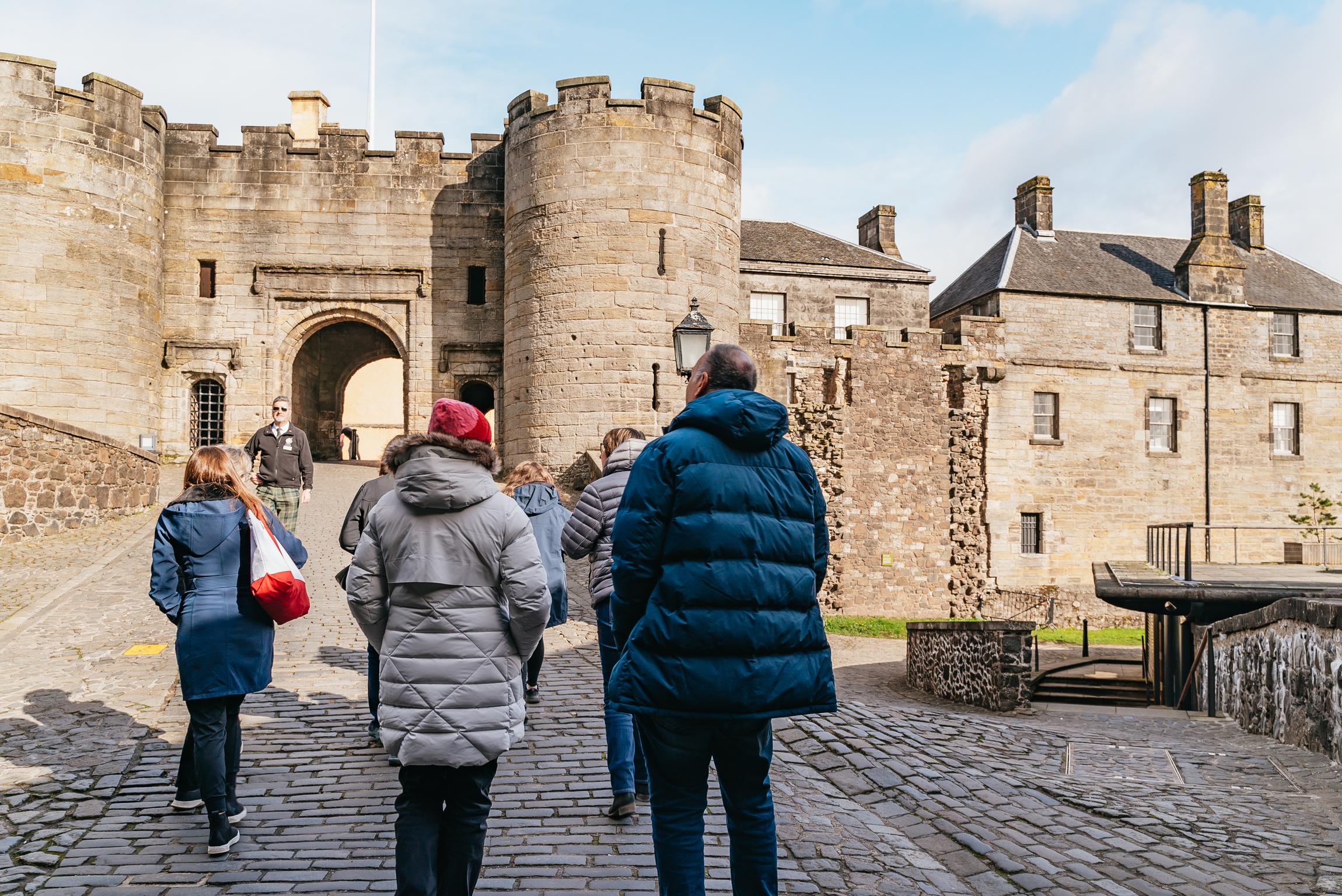
Entry at Castle Wynd and security check
View the restored Renaissance interiors
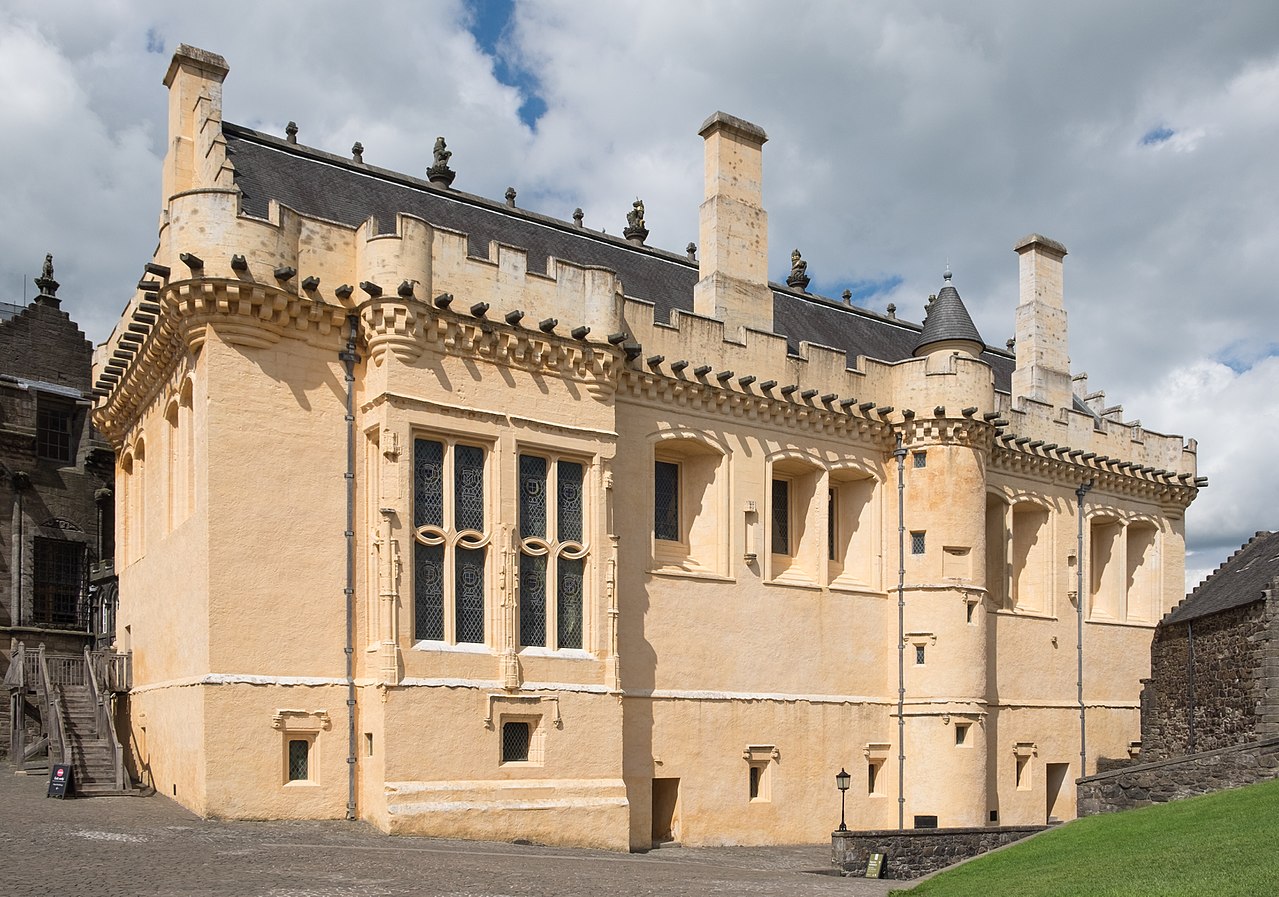
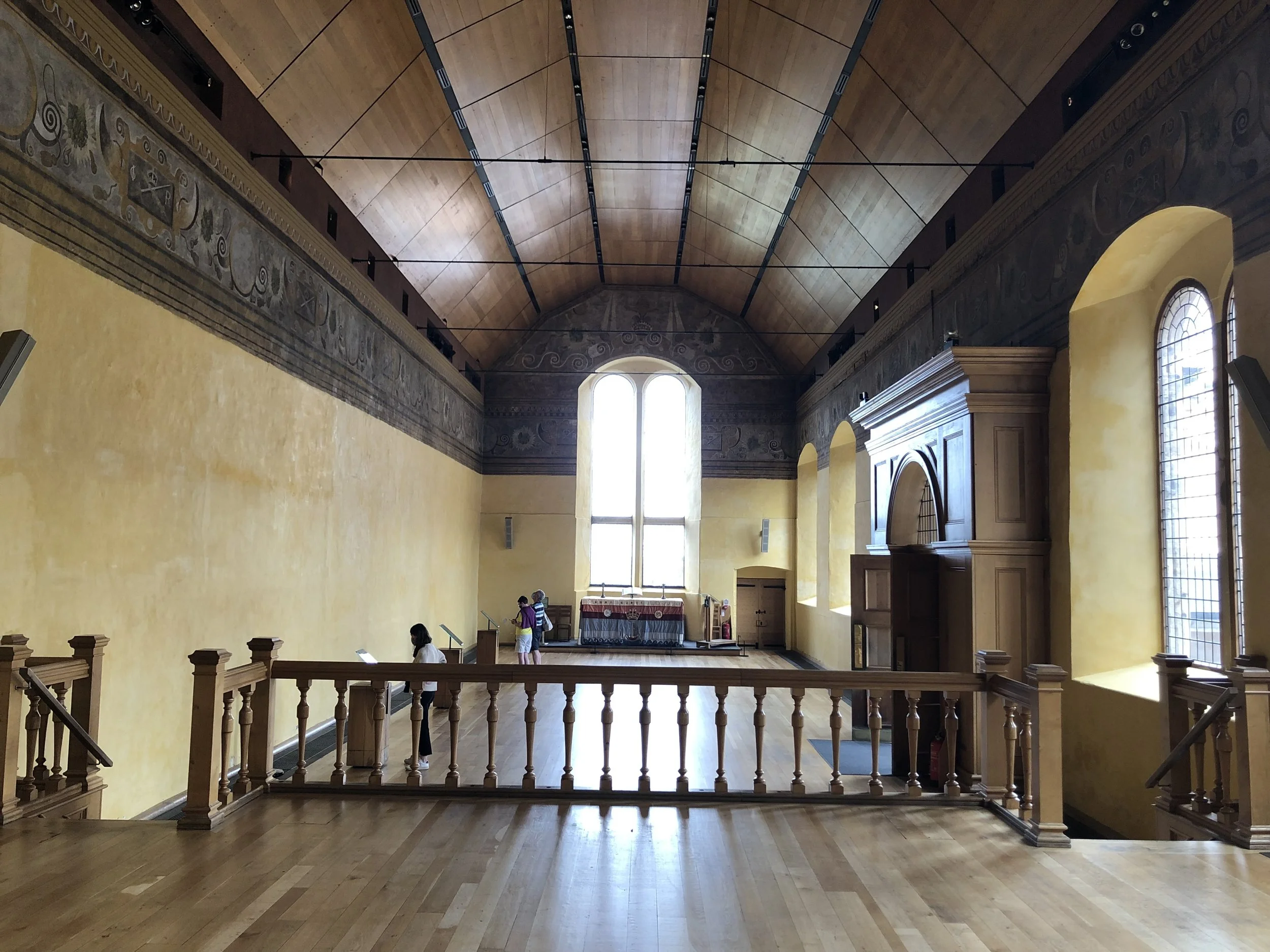
Tour the largest medieval banqueting hall in Scotland
Observe 16th-century architecture
Restored to its 16th-century appearance, this is one of the best-preserved Renaissance buildings in the UK.
Commissioned by James IV, this structure features a massive timber hammerbeam roof.
The current structure was built in 1594 for the baptism of Prince Henry.
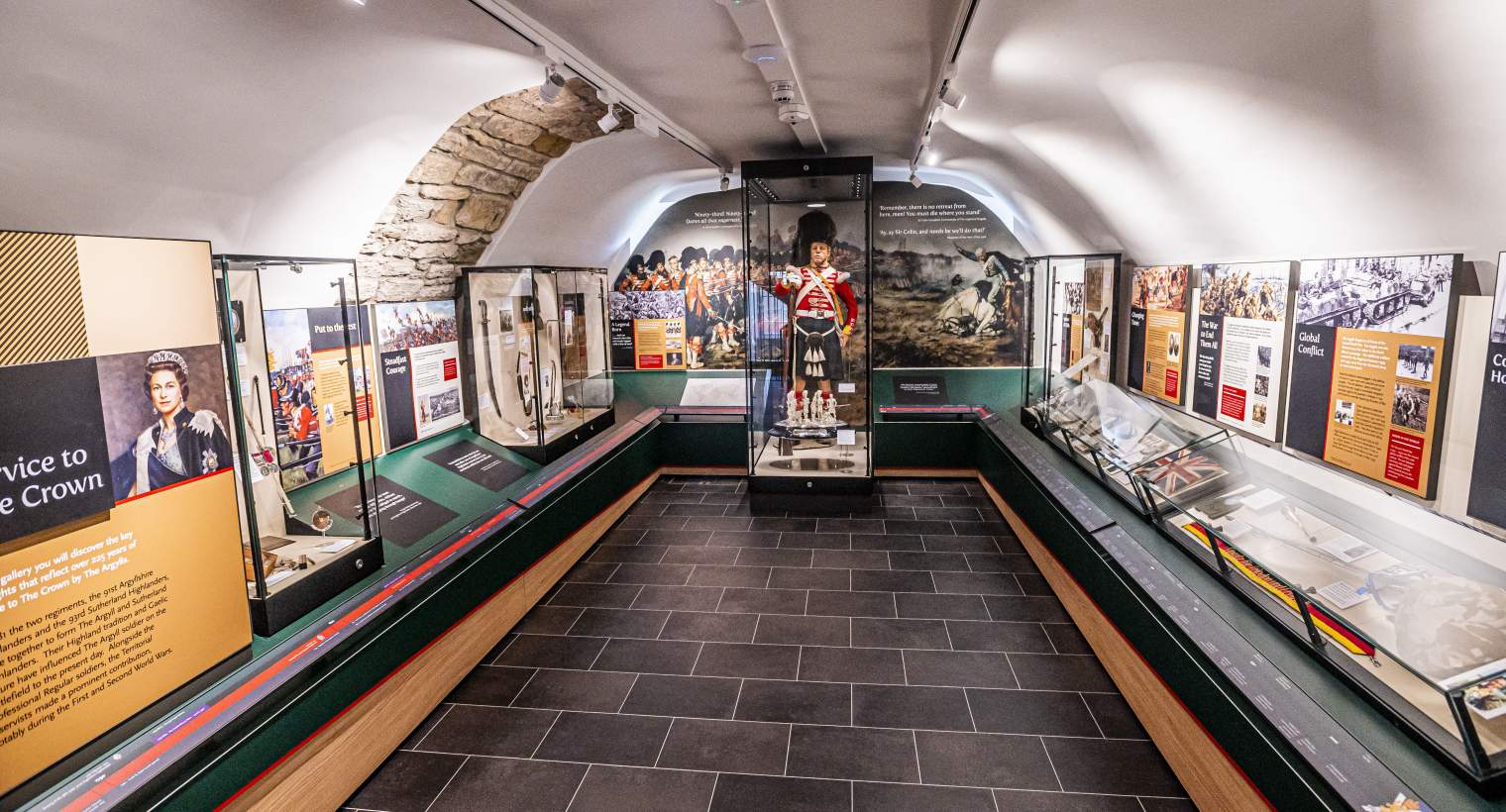
Houses collections related to the Argyll and Sutherland Highlanders.
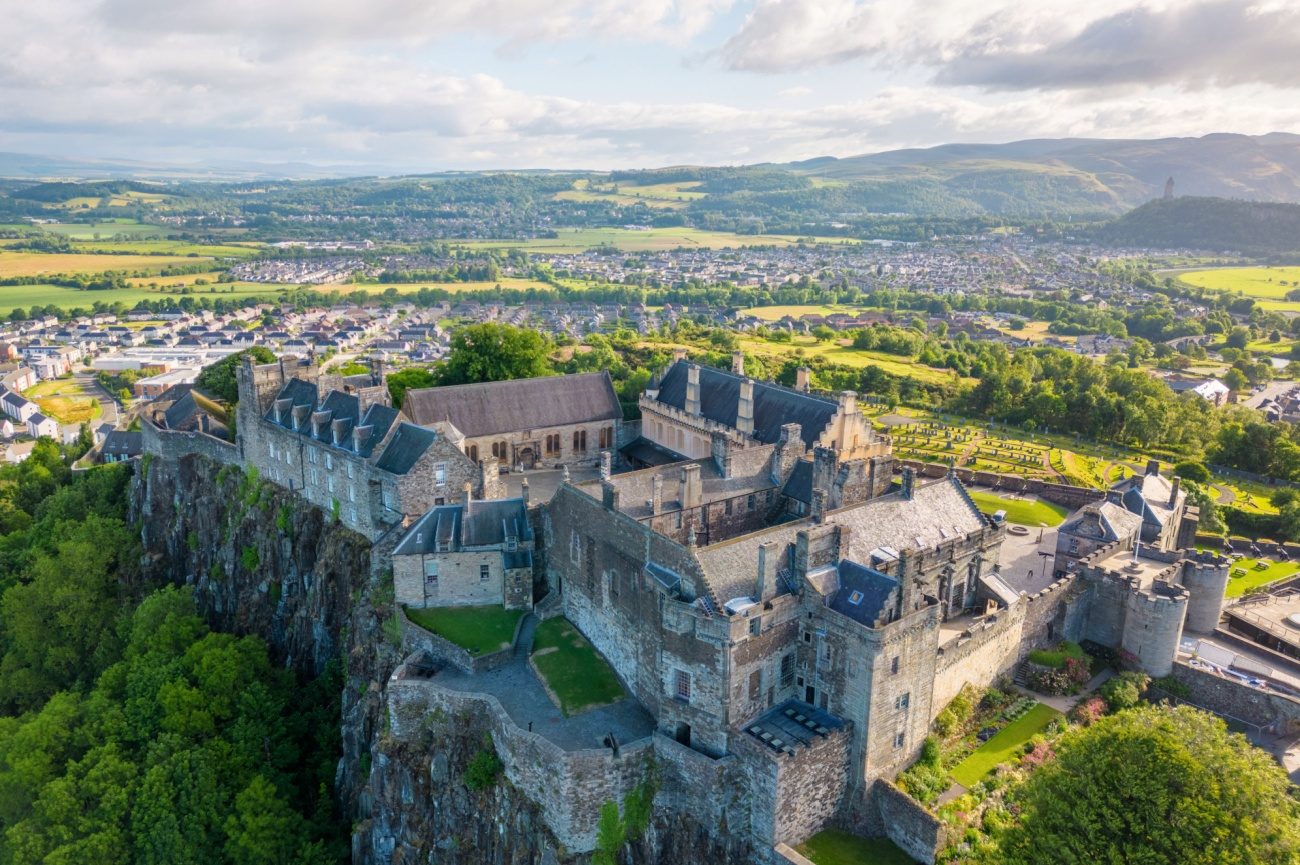
Provides panoramic views over the surrounding historic landscape.
You board a coach in Edinburgh's Old Town or Glasgow's Buchanan Street before nine, heading west through Stirlingshire farmland as your guide recounts Wallace and Bruce.
Stirling Castle appears first — you climb Castle Wynd on foot, pass through the outer defences, and spend ninety minutes inside the Royal Palace, pausing in the Queen's Inner Hall to examine the carved oak medallions James V commissioned. From the ramparts you trace the Forth's meanders and spot the Wallace Monument three miles north.
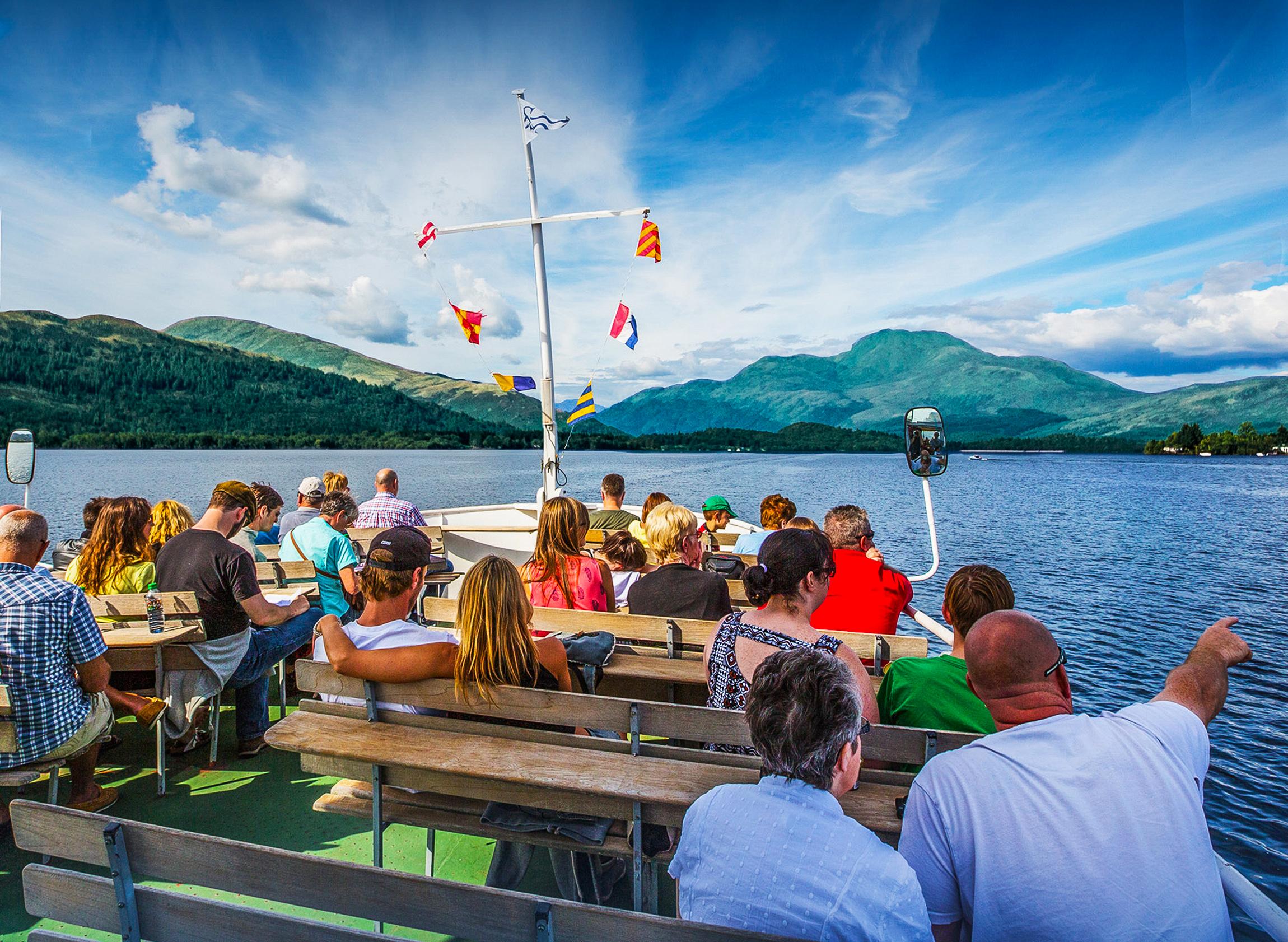
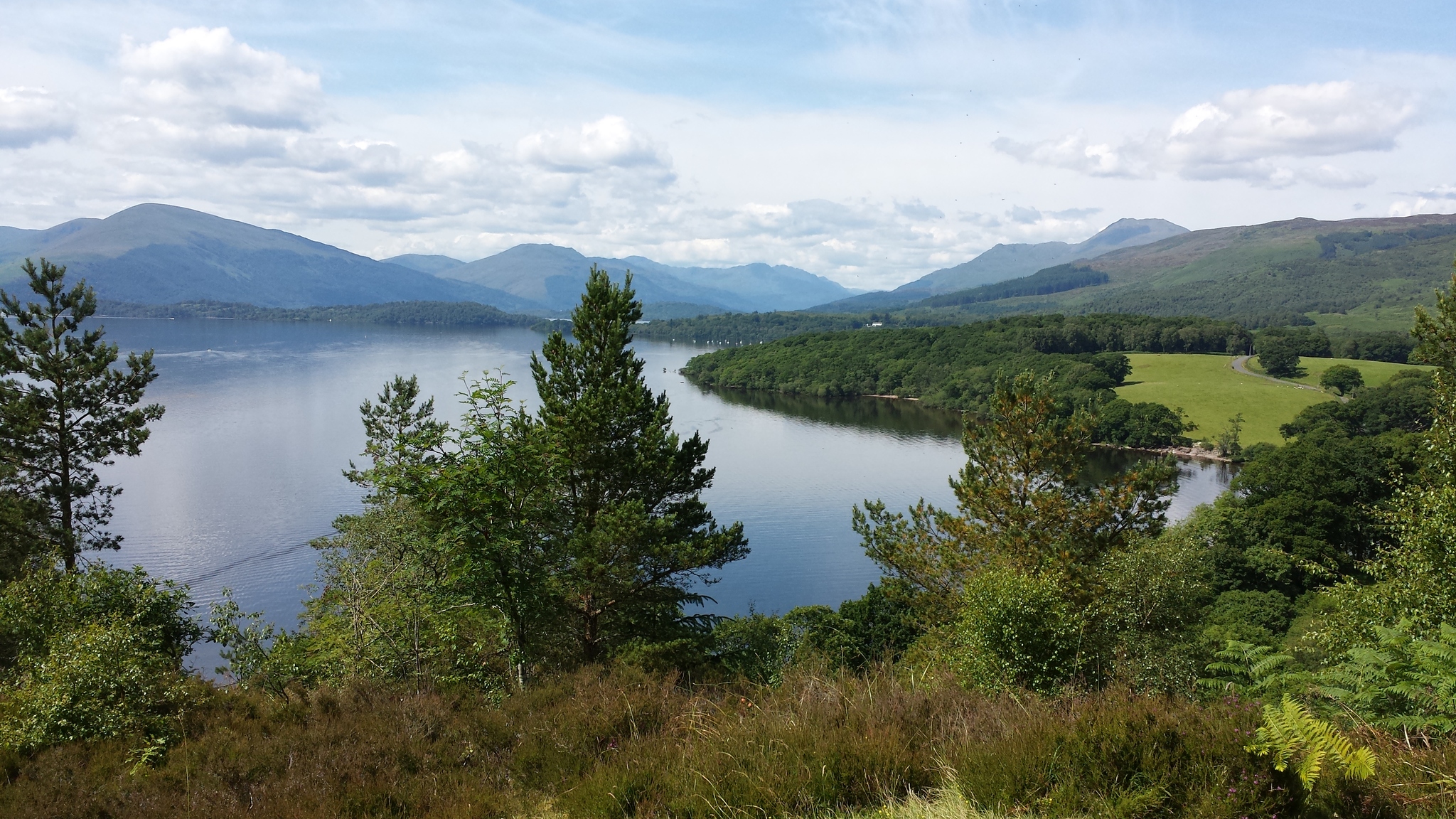
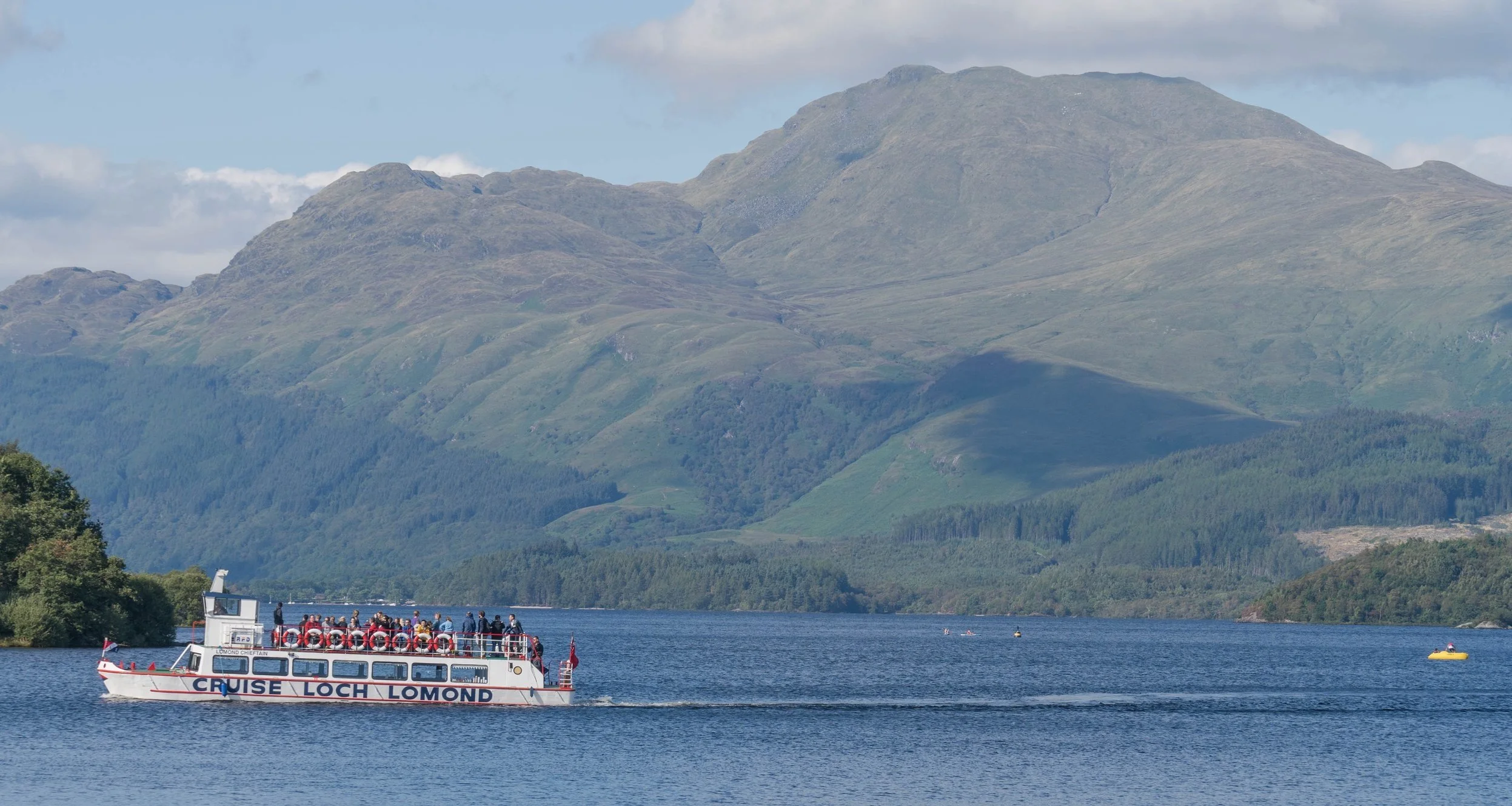
The coach descends to Loch Lomond by midday. You stop in Luss, a conservation village of slate-roofed cottages, or board a fifty-minute sightseeing cruise from Tarbet, gliding past Inchmurrin and Inchconnachan while the guide points out ospreys and red deer on the western shore. Lunch is a pub stop in Callander or Aberfoyle — expect Cullen skink, venison pie, or smoked haddock.
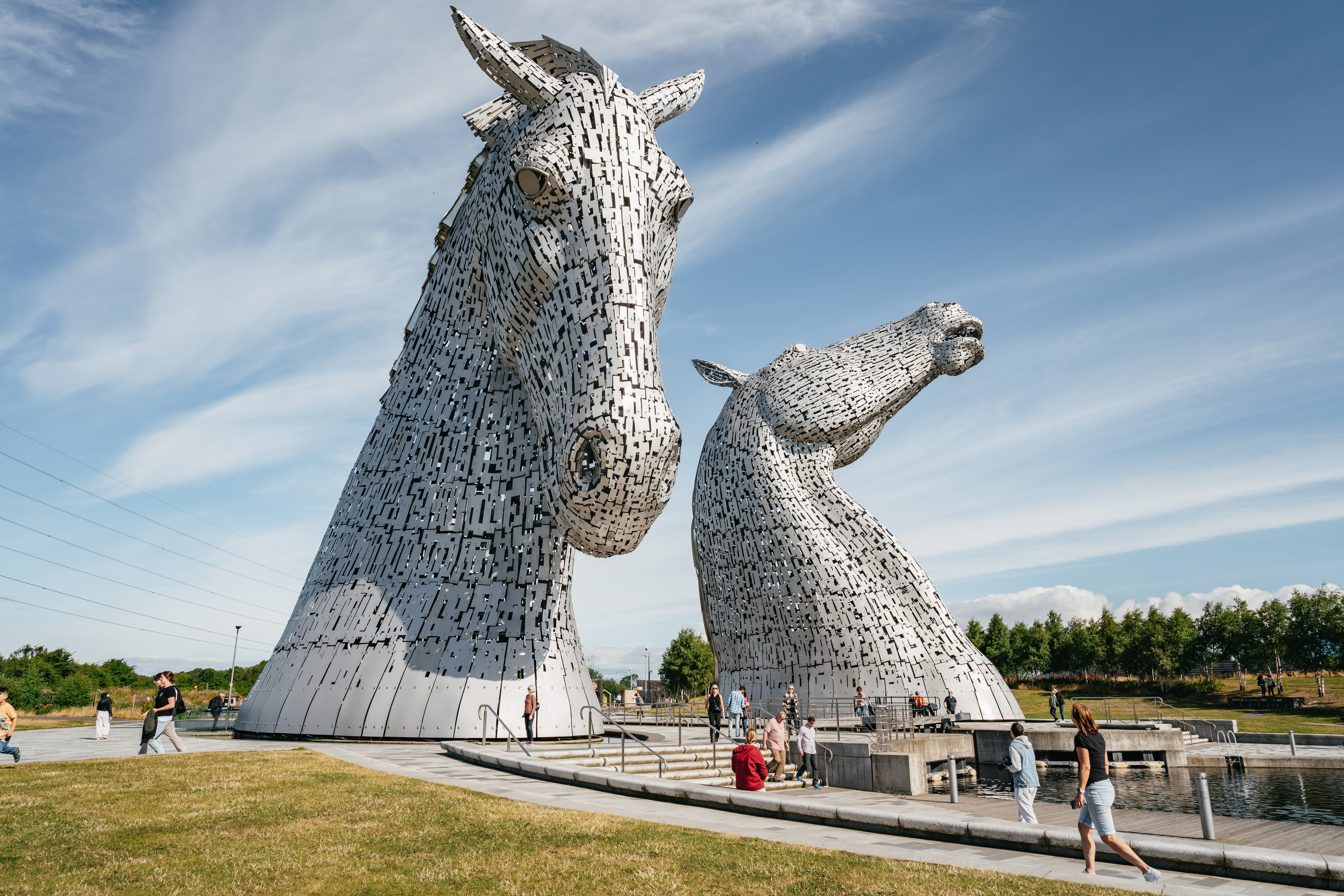
Afternoon brings the distillery: Glengoyne's tour includes two drams and a barrel-warehouse walk; Deanston's emphasises its hydroelectric heritage. The return leg threads through Doune or cuts east via the Kelpies — thirty-metre steel horse-heads that mark the Forth and Clyde Canal — before depositing you back in the city by seven. You've covered a hundred and forty miles, three centuries of history, and two climate zones without changing your day bag.
All the details about your upcoming adventure in one place
Stirling Castle's Great Hall, completed in 1503, held the largest medieval banquet space in Scotland — its hammerbeam roof spans fifteen metres without a single supporting column.
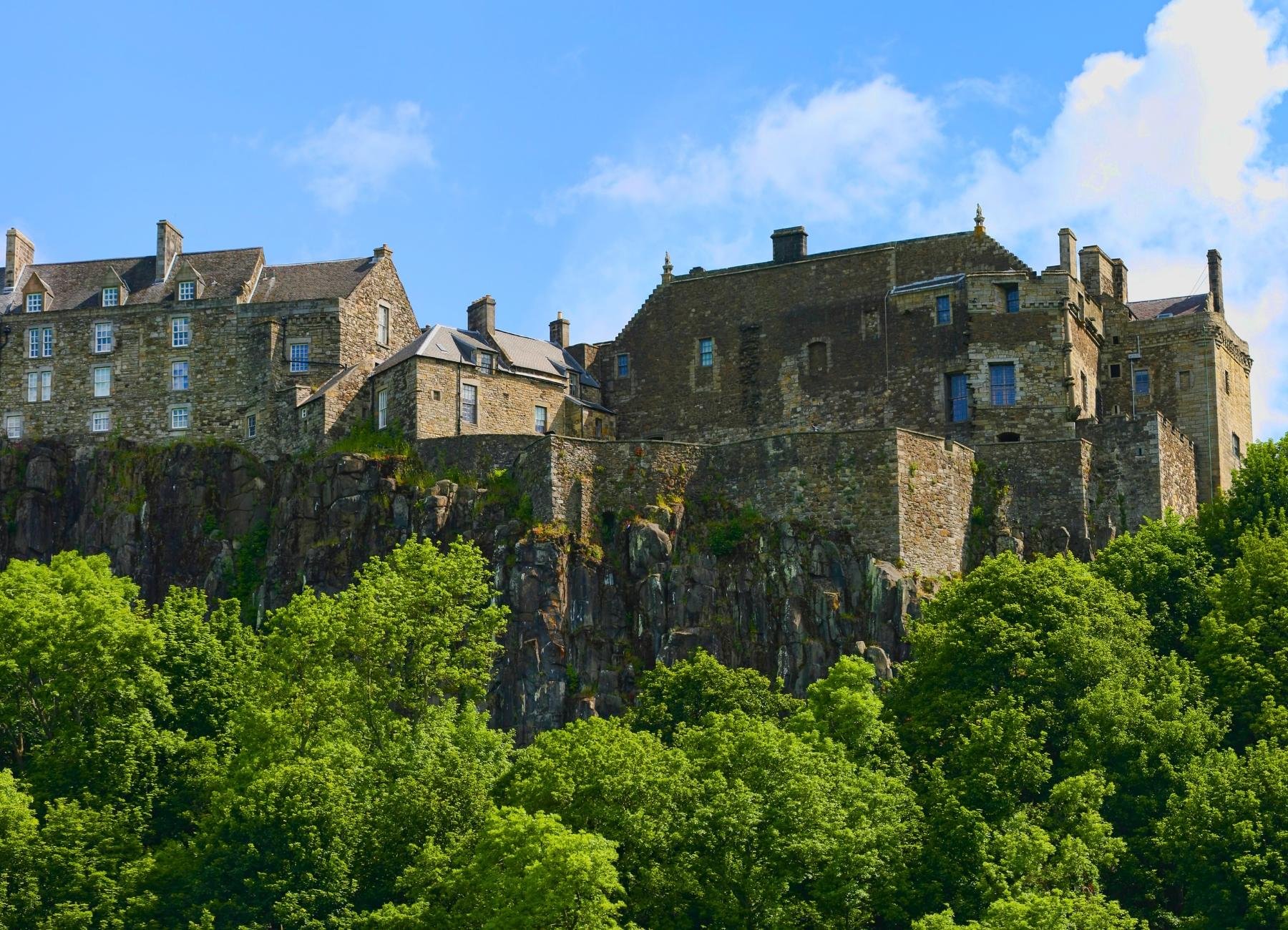
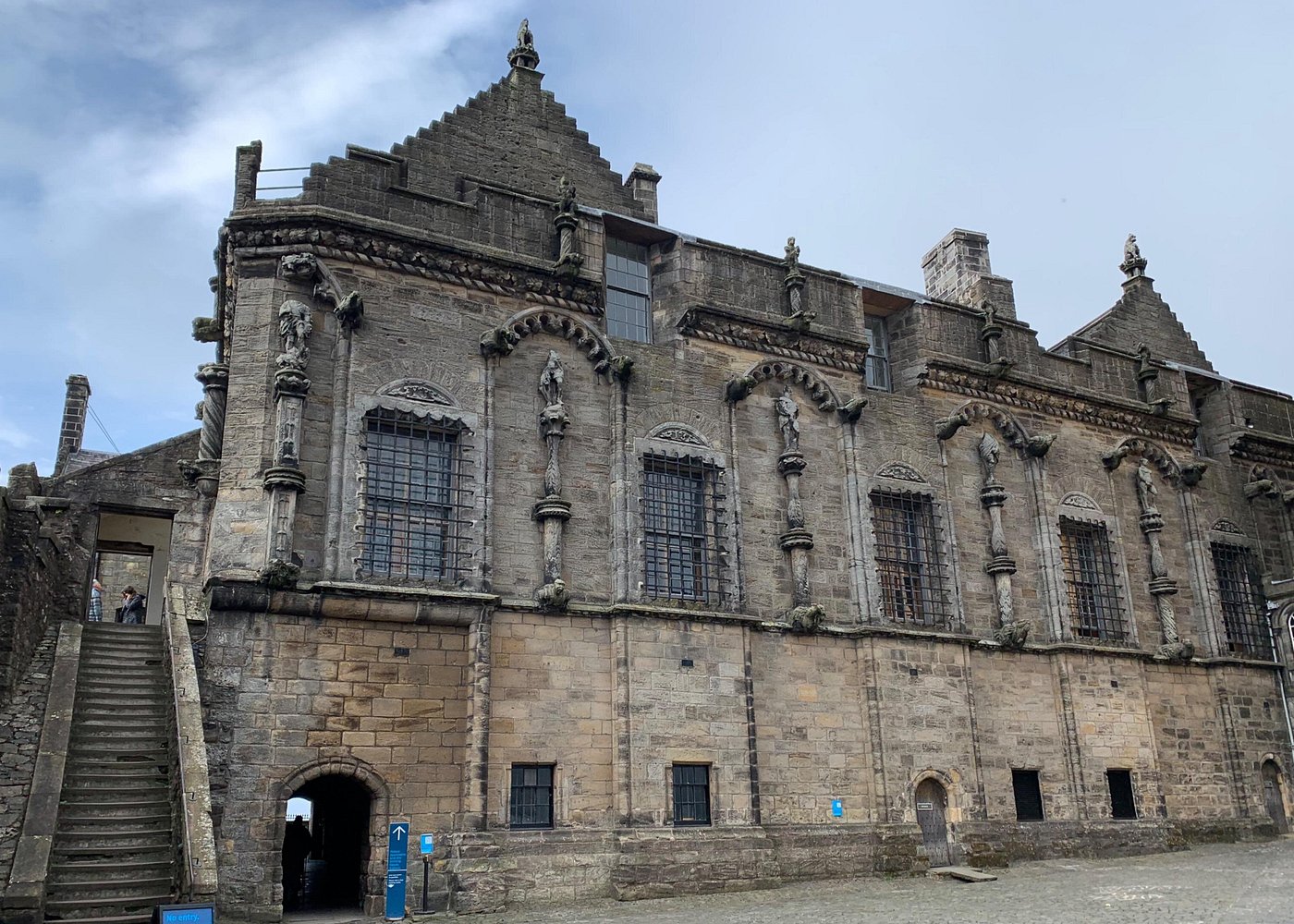
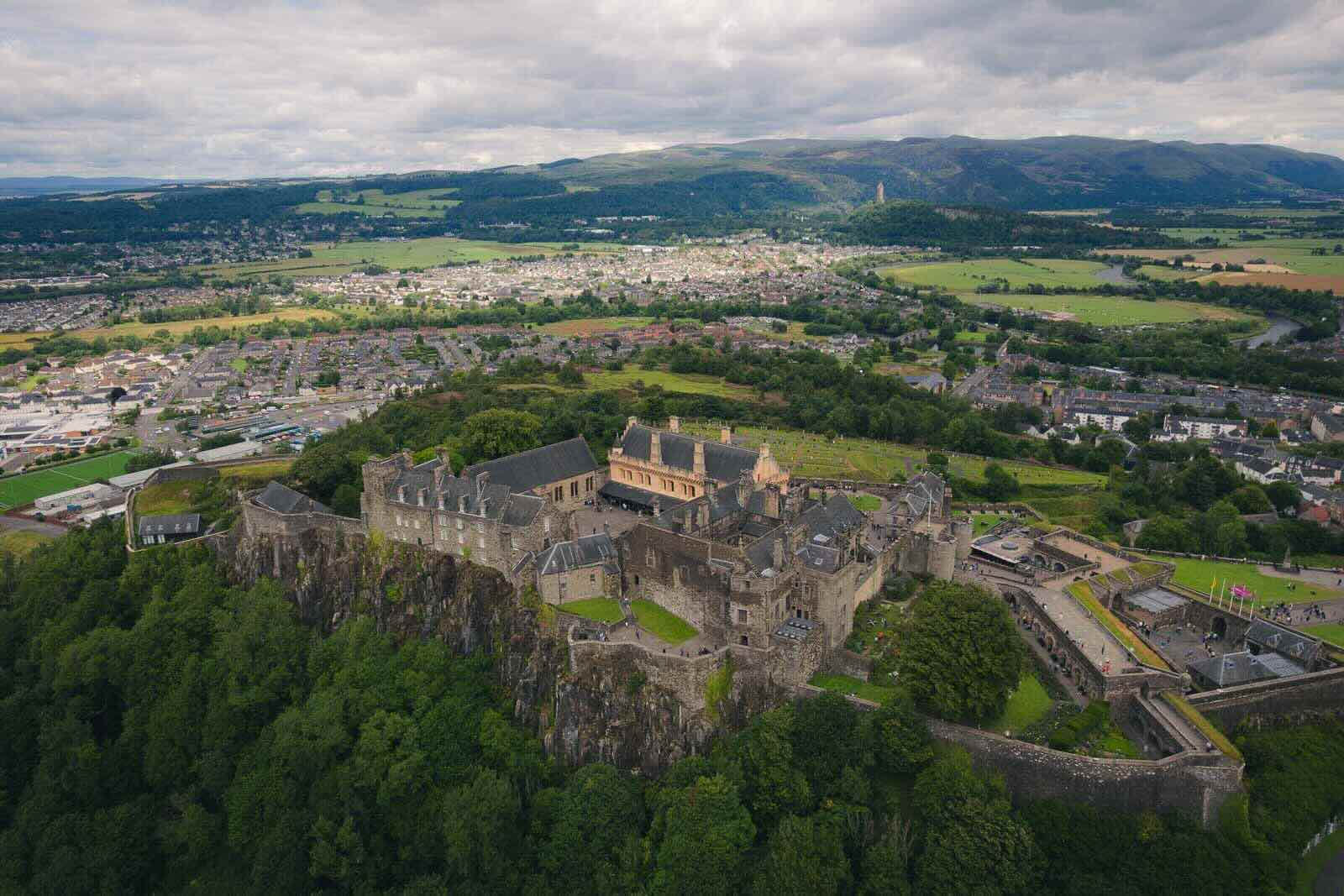
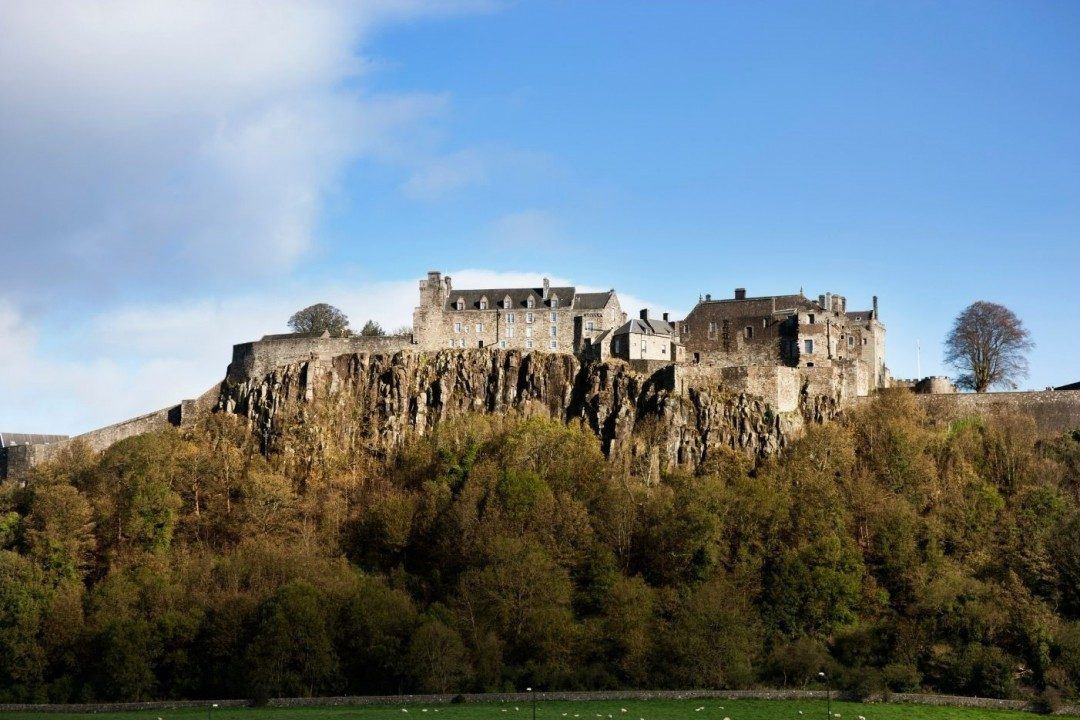
Perched on a volcanic crag commanding the Forth Valley, the fortress changed hands eight times during the Wars of Independence and served as the childhood home of Mary, Queen of Scots. The Royal Palace, rebuilt by James V between 1538 and 1542, deployed French and Flemish master masons to carve allegorical figures into every lintel and pediment, transforming a military stronghold into a Renaissance showpiece that rivalled the courts of Europe.
Today, stirling castle loch lomond & whisky tours link three pillars of Highland identity in a single loop. The castle anchors the itinerary with its Regimental Museum, Chapel Royal, and tapestry studio, where weavers have spent two decades reconstructing the Hunt of the Unicorn series from sixteenth-century cartoons. Twenty-five miles west, Loch Lomond unfurls across thirty kilometres of glacial trough, its southern basin dotted with wooded islets and its northern reach hemmed by Arrochar Alps ridges that rise nine hundred metres from the waterline. The loch sits inside Britain's first national park, established in 2002 to protect Trossachs oakwoods and montane heath. Most day trips pair the castle and loch with a distillery call — Glengoyne, eighteen miles south of Loch Lomond, ages its whisky in sherry casks beneath Dumgoyne's basalt cone, while Deanston, near Doune, repurposed an 1785 cotton mill's waterwheel to power its mash tuns.
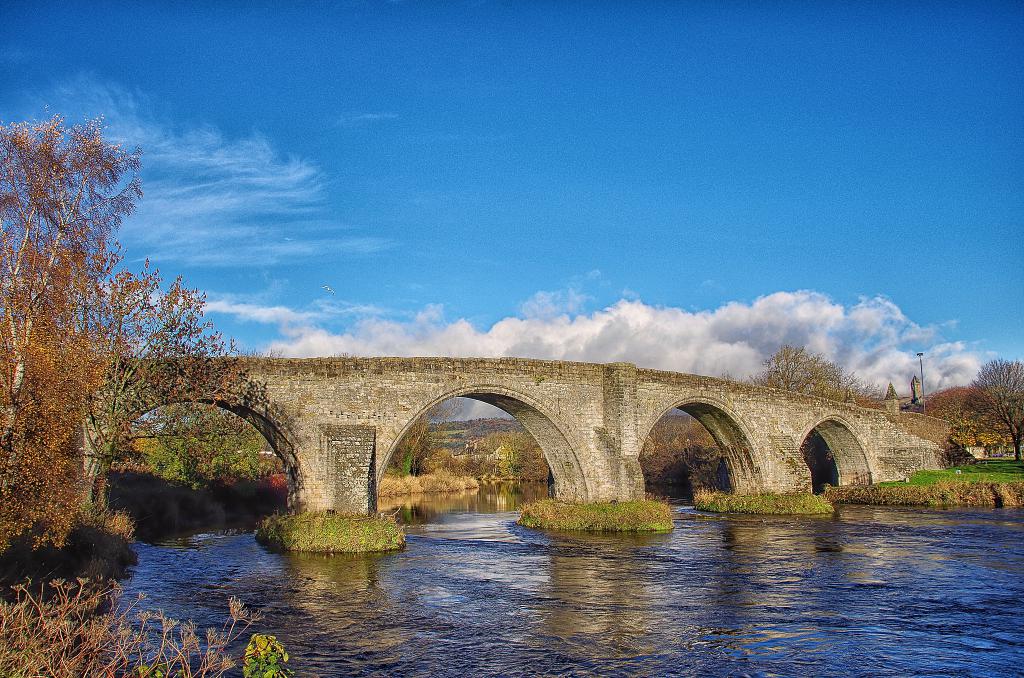
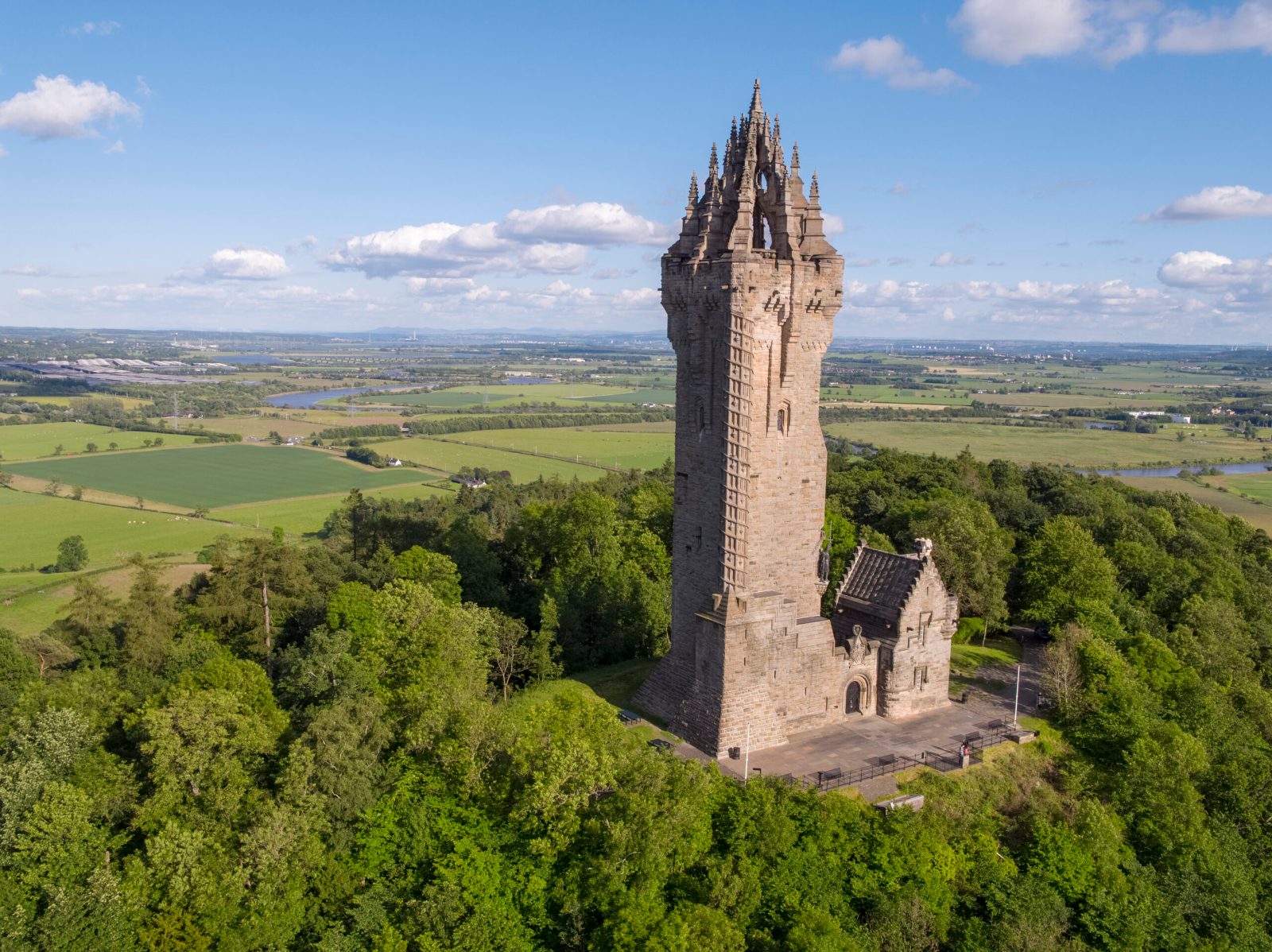
The touring corridor weaves through Callander, a Victorian resort town that prospered when the railway arrived in 1858, and skirts the Rob Roy country memorialised in Walter Scott's 1817 novel. Glencoe, though thirty miles northwest, appears on extended Highland itineraries for its U-shaped glacial profile and 1692 massacre site. Stirling Bridge, one mile from the castle, marks the 1297 battlefield where William Wallace routed English cavalry by controlling a timber chokepoint; the Victorian monument tower that bears his name rises seventy metres above Abbey Craig. The castle's strategic value derived from its position at the lowest Forth crossing before the estuary — holding Stirling meant controlling movement between Lowlands and Highlands, a geographic fact that shaped six centuries of Scottish conflict and statecraft. Modern tours compress that geography into ten to twelve-hour circuits, using Edinburgh or Glasgow as base points and returning passengers by early evening.
The Great Hall's hammerbeam roof spans fifteen metres without a single column — the largest medieval banquet space Scotland ever built.
Wear comfortable walking shoes and layers suitable for Scottish weather, as the site features uneven historic cobbles and outdoor areas.
Large luggage is restricted; visitors are advised to travel light as there is limited secure storage on-site.
Photography is permitted for personal use throughout the grounds, though certain exhibitions may have specific restrictions on flash photography.
The site offers engaging interactive displays suitable for children and families within the historical chambers.
The castle provides accessible routes, though some historic parts of the site have limited access due to steep gradients and period architecture.
Picnicking is restricted to designated areas; food and drinks are not allowed inside the internal historic rooms or exhibition spaces.
Opening Hours
09:30–18:00
Address
Castle Wynd, Stirling, FK8 1EJ, United Kingdom
Accessibility
Full site access info available on official site
Arrival
09:30–11:00
Storage
Limited facilities available for large bags
Site
Stirling Castle grounds
Public transport · 1h · Moderate
Regular trains from Edinburgh or Glasgow arrive at Stirling station, followed by a short walk or bus ride.
Car · 1h · Variable
Parking is available in the city with a steep uphill walk to the castle entrance.
Standard adult entry tickets are non-refundable. The entrance fee of 20.5 GBP is fixed for all standard admissions.
Recommended time
3-4 hours
To experience the Stirling Castle Loch Lomond & whisky sites effectively, we recommend a 3-4 hour visit. Arriving during the best arrival window of 09:30–11:00 allows you to explore the Great Hall and royal palace before peak crowds arrive, making it easier to secure your stirling castle loch lomond & whisky tickets. Those interested in extended strolls along the ramparts or deeper study of the regimental museum exhibits should add extra time to their schedule, while others using stirling castle loch lomond & whisky tours can plan for a faster pace.
Crowd levels through the day
Weather · crowds · average price — dots go green to amber to red as each metric rises.
Mild temperatures make walking the castle ramparts pleasant with fewer crowds.
Longer daylight hours, though this season sees the highest visitor numbers.
Cooler crisp air creates a atmospheric setting for historical exploration.
Quieter days allow for peaceful viewing of the interior exhibits.
Purchase your stirling castle loch lomond & whisky tickets online to expedite entry.
The site is high on a volcanic rock where winds can be brisk regardless of the season.
Start at the Royal Palace to understand the significance of the castle before exploring the ramparts.
Factor in the steep walk up to the castle from the train station when timing your stirling castle loch lomond & whisky tour.
The views from the ramparts across the valley are iconic for a stirling castle loch lomond & whisky experience.
Stirling Castle stands on a volcanic crag that has been fortified since prehistoric times, commanding the lowest crossing point of the River Forth and the gateway between Highland and Lowland Scotland. The earliest documented royal castle emerged under Alexander I in the early twelfth century, though the site had already witnessed centuries of conflict. By 1174, William the Lion surrendered Stirling to English control under the Treaty of Falaise, beginning a pattern of siege and recapture that would define the castle's medieval existence. The Wars of Scottish Independence transformed Stirling into a strategic prize of the highest order. Edward I captured the castle in 1296 after a brutal three-month siege, installing a garrison that William Wallace briefly reclaimed in 1297 following his victory at Stirling Bridge. Edward returned in 1304 with siege engines including the massive trebuchet Warwolf, which battered the garrison into submission. Robert the Bruce razed the fortifications in 1314 after Bannockburn to deny the English a stronghold, yet the castle was rebuilt and changed hands repeatedly until James IV began its transformation into a Renaissance palace in the late fifteenth century. The Stewart monarchs reshaped Stirling from a military fortress into a statement of royal power and cultural ambition. James IV constructed the Great Hall between 1496 and 1503, its vast hammerbeam roof asserting Scottish independence and wealth. His son James V added the ornate Palace block in the 1540s, commissioning the Stirling Heads—carved oak medallions depicting kings, queens, and classical figures—that adorned the royal apartments. Mary Queen of Scots was crowned here in 1543 as an infant, and her son James VI was baptized in the Chapel Royal in 1566 during a lavish Catholic ceremony that scandalized Protestant Scotland. After 1603, when James VI inherited the English throne and moved his court to London, Stirling declined into a military barracks. The castle saw action during the Jacobite risings but lost its ceremonial function. Twentieth-century restoration efforts reversed centuries of barrack modifications, and today visitors to stirling castle loch lomond & whisky tours encounter painstakingly reconstructed interiors, including the Great Hall's medieval grandeur and the Palace's Renaissance splendor, revealing the layers of Scotland's turbulent past.
Alexander I establishes the first documented royal castle on the volcanic crag, controlling the Forth crossing.
Edward I besieges and captures Stirling, installing an English garrison during the Wars of Scottish Independence.
William Wallace reclaims the castle briefly after his victory at the Battle of Stirling Bridge.
Edward I deploys the trebuchet Warwolf in a devastating siege that forces Scottish surrender.
Robert the Bruce demolishes the fortifications after Bannockburn to prevent English reoccupation.
James IV constructs the Great Hall with its monumental hammerbeam roof, signaling Renaissance ambition.
James V commissions the ornate Palace block and the Stirling Heads, transforming the castle into a royal residence.
Mary Queen of Scots is crowned as an infant in the Chapel Royal, beginning her tragic reign.
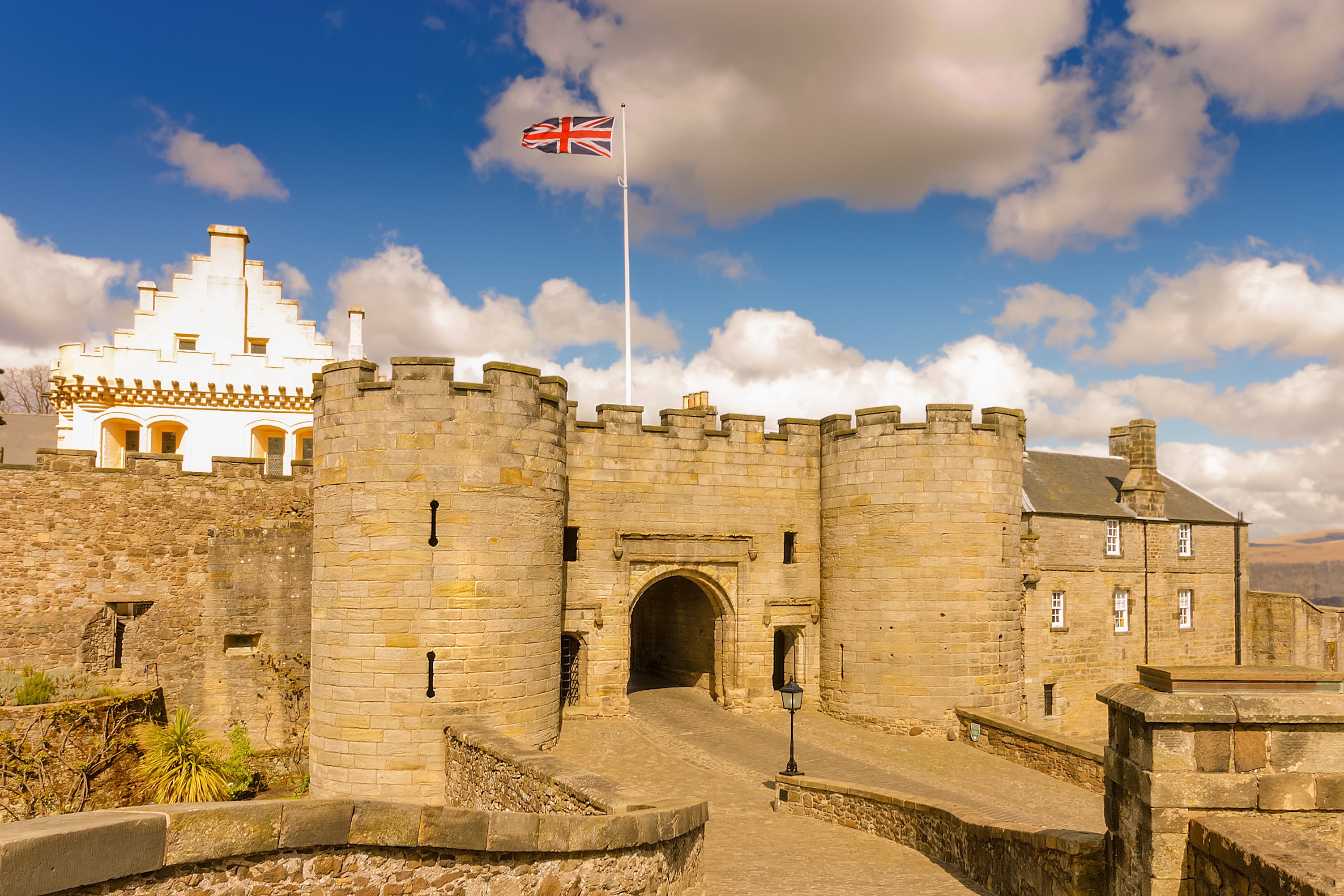
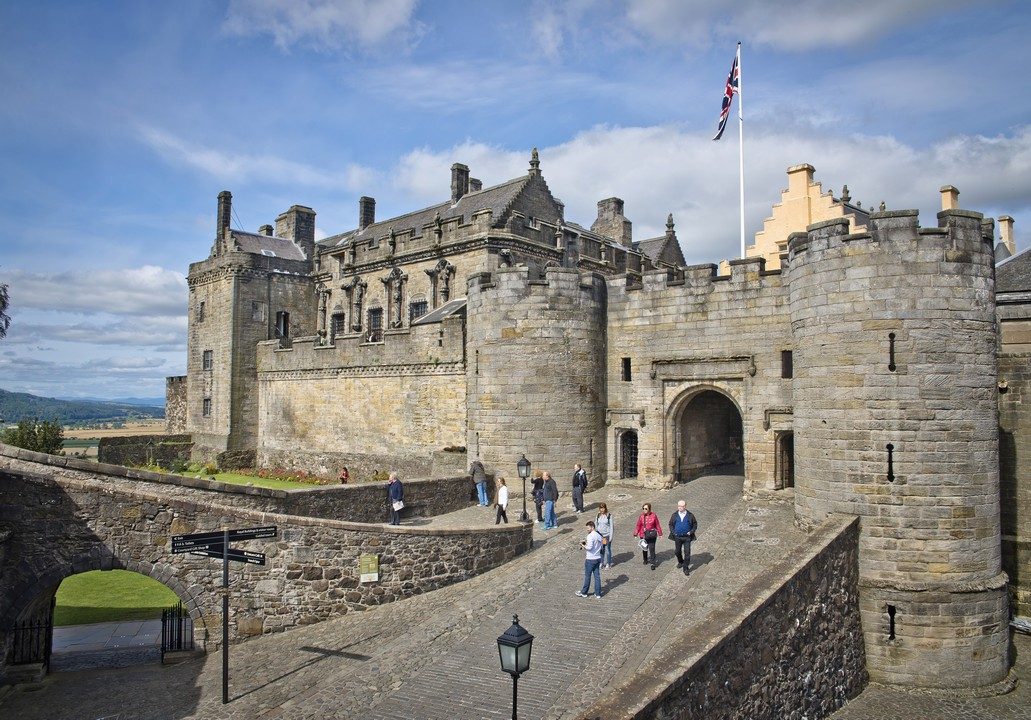
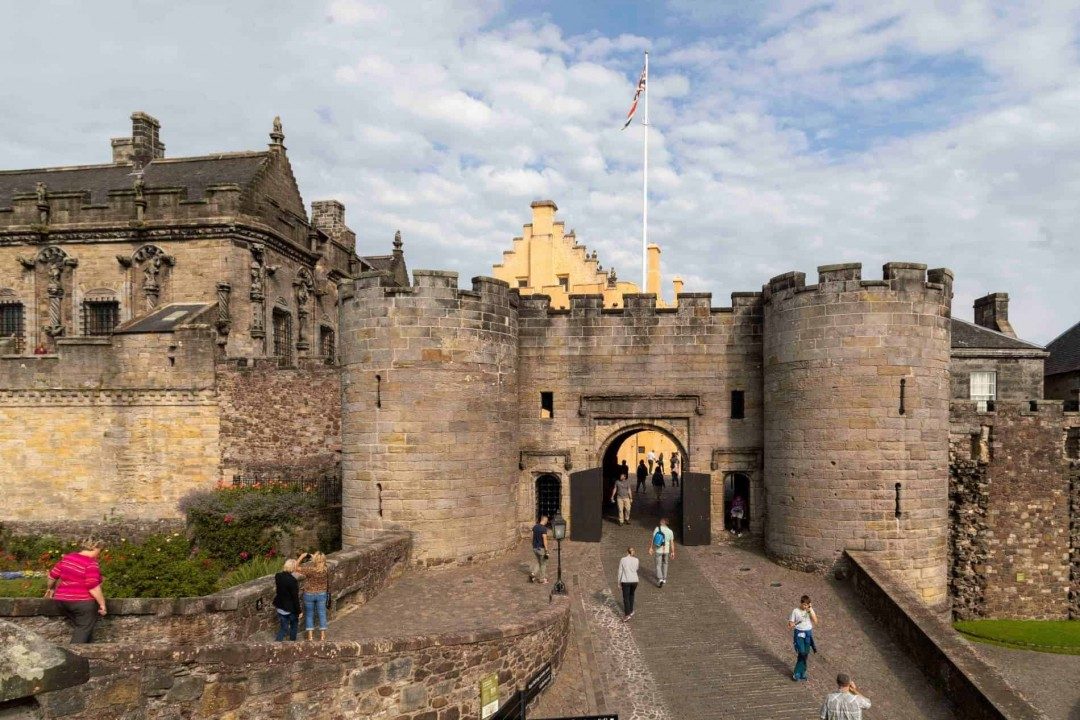
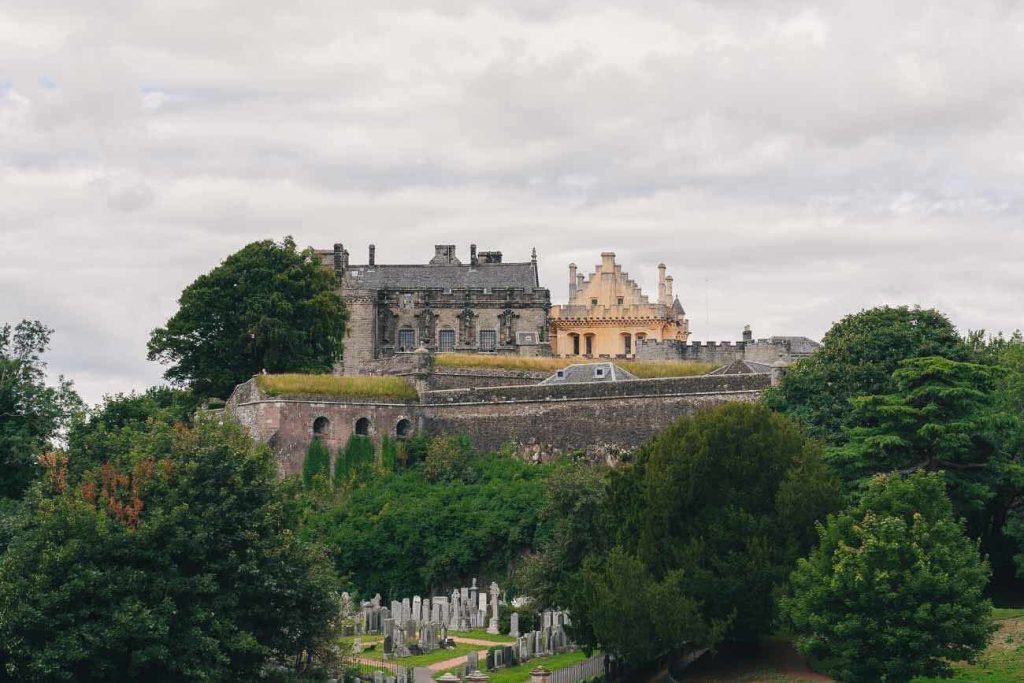
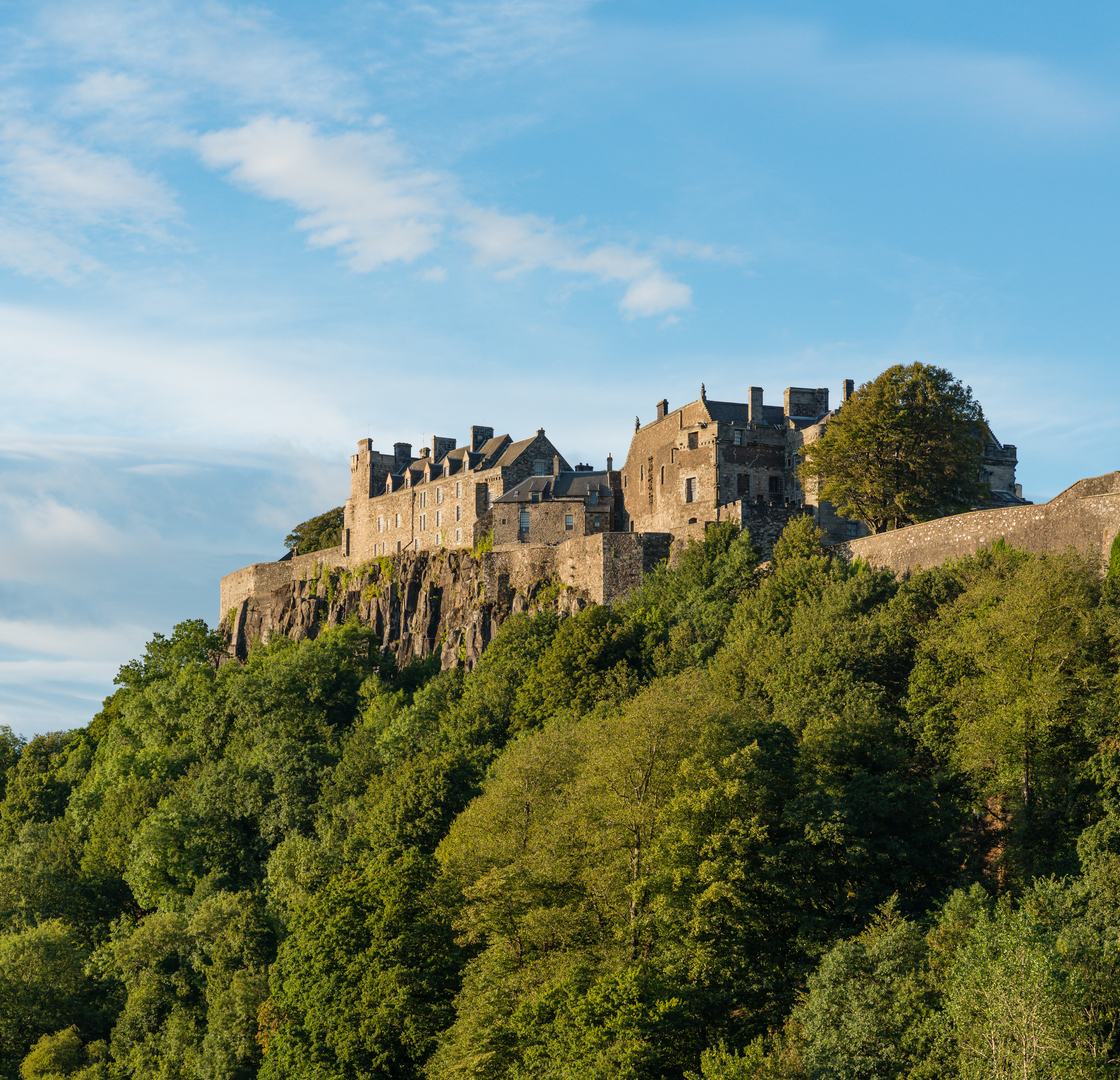
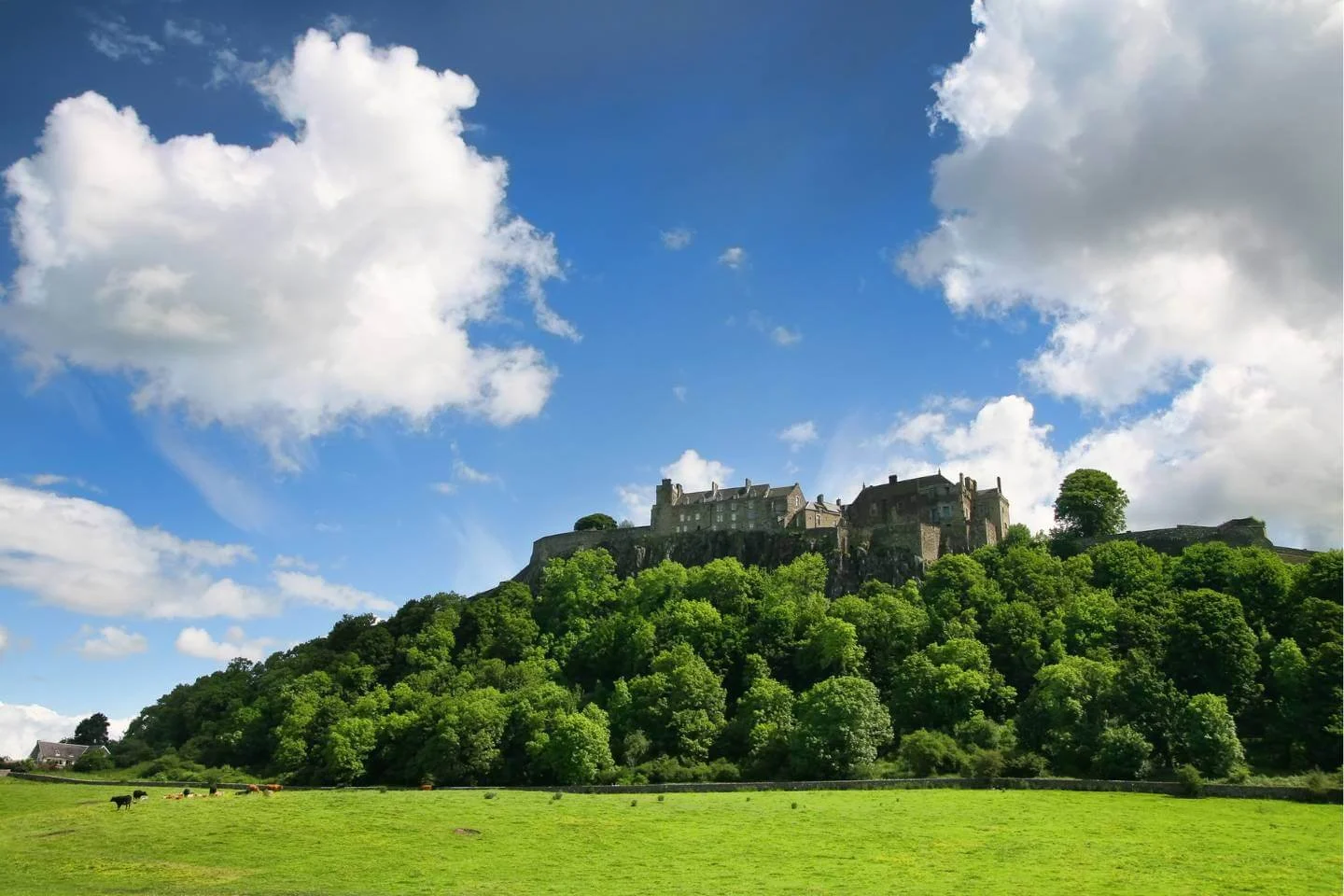
Stand at the outer edge for a wide-angle capture of the castle gatehouse and the rugged volcanic crag. This vantage point provides the classic perspective of the fortifications against the skyline.
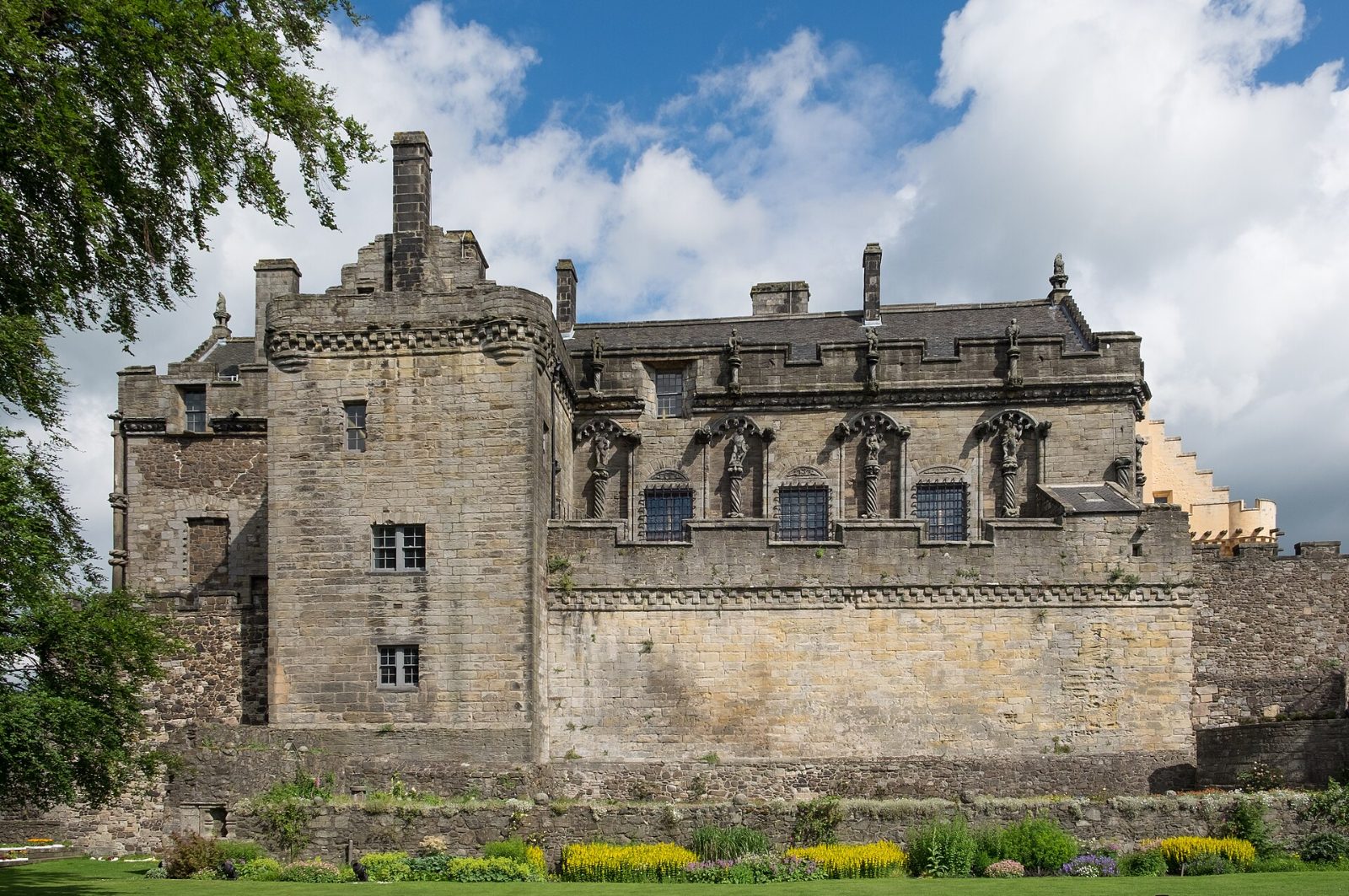
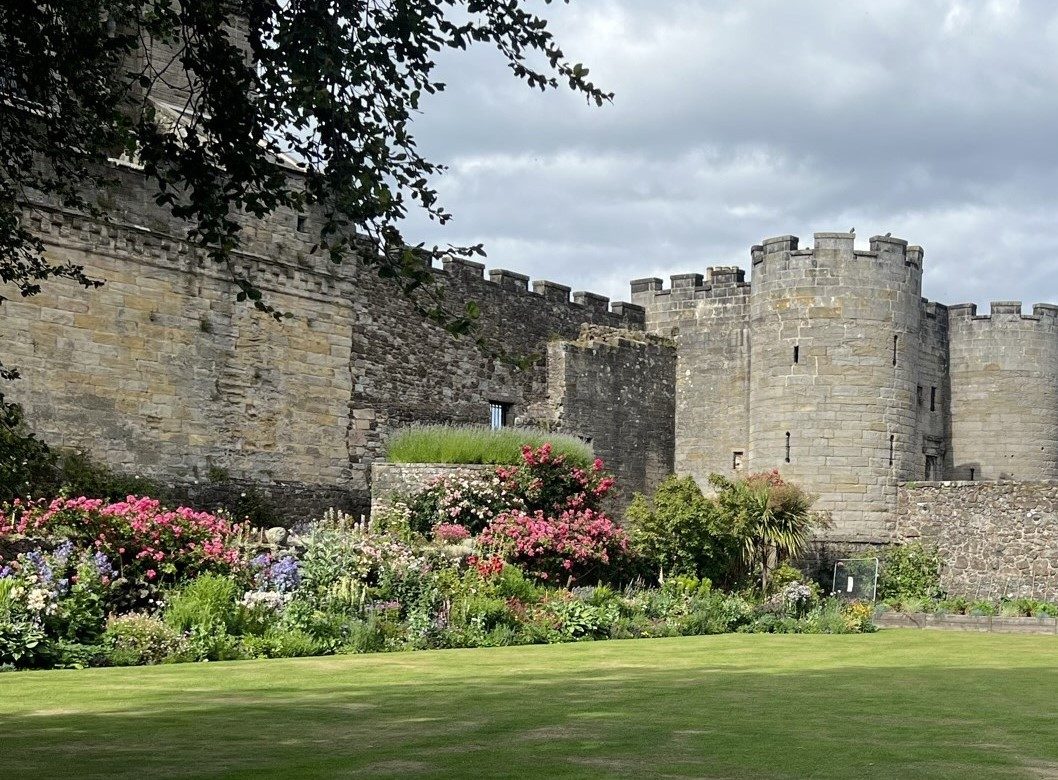
Walk to the south-facing terrace to photograph the intricate flower beds set against the historic stone masonry and the ramparts. Many visitors on a stirling castle loch lomond & whisky tour pause here for a shot that frames the peaceful greenery with the architecture.
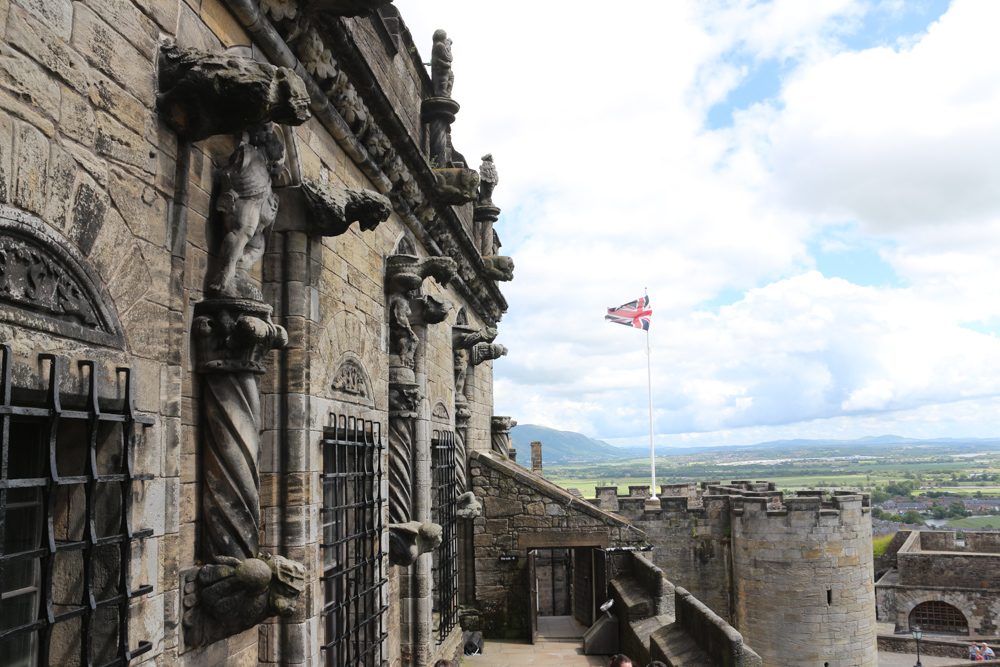
Position yourself in the center of the courtyard to capture the ornate Renaissance facade and detailed stonework of the royal residences. This area is ideal for close-up shots of the carved stone medallions on the walls.
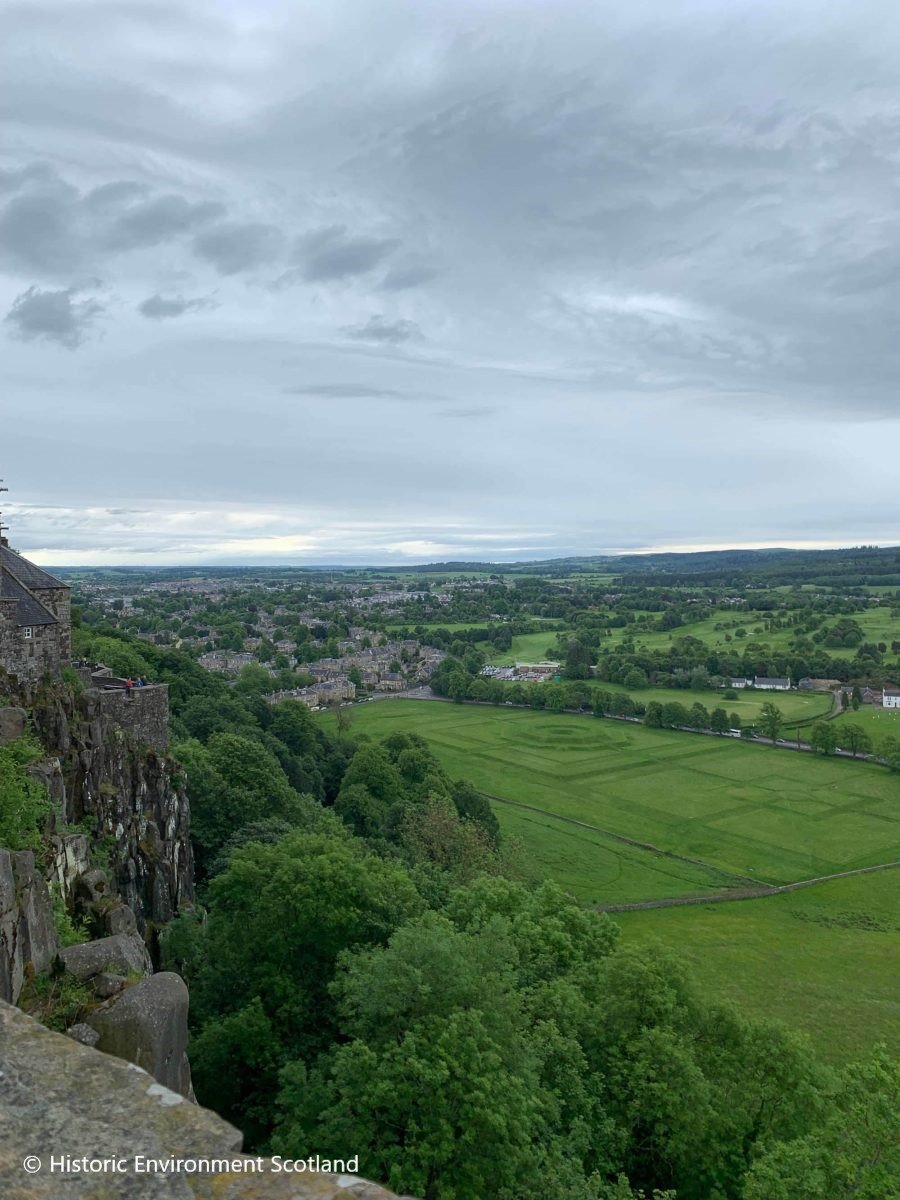
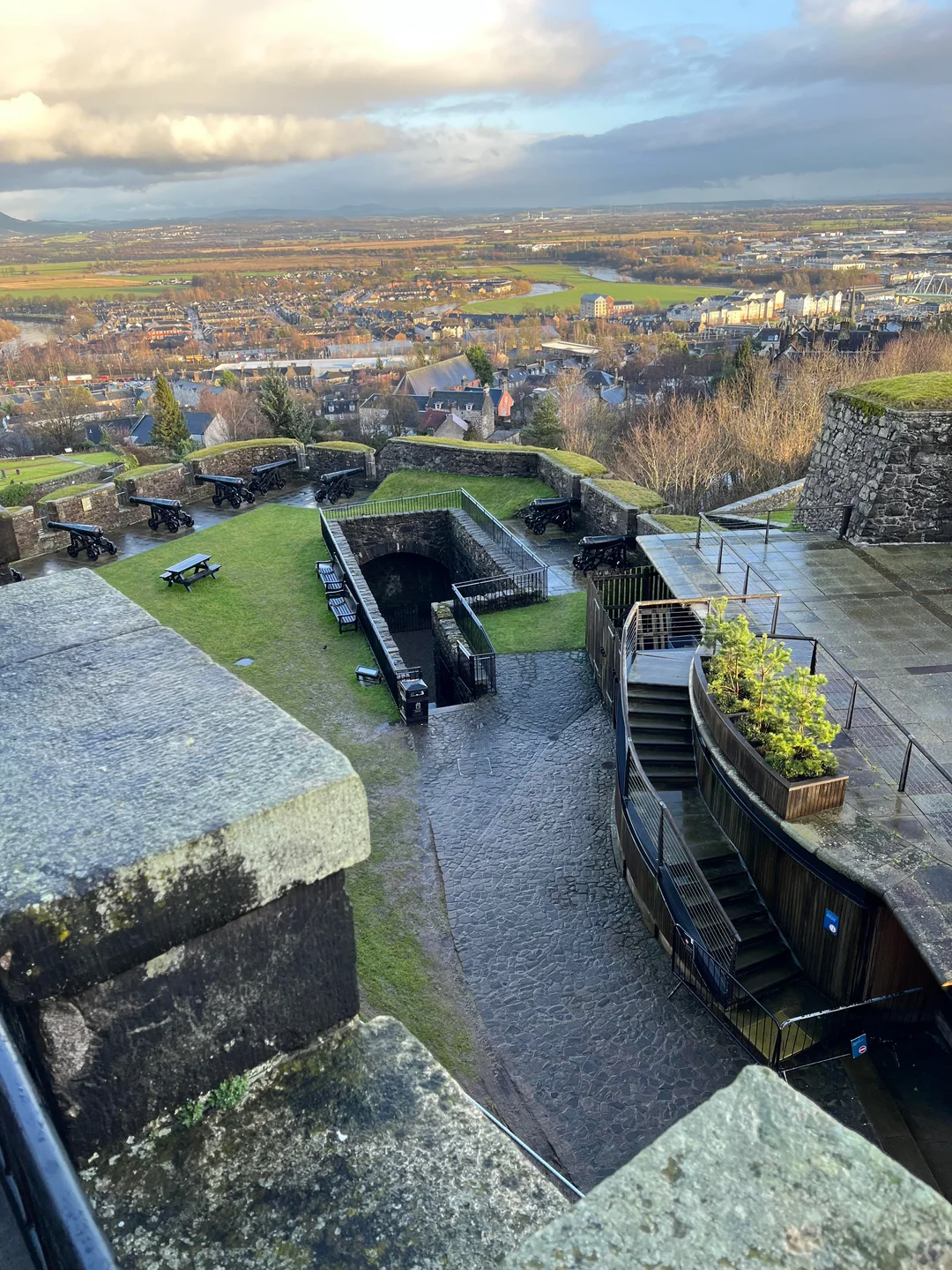
Look down from the lower ramparts toward the geometric earthworks of the former royal gardens below. This elevated angle offers a clear view of the historic landscape features often highlighted in stirling castle loch lomond & whisky tours.
Move toward the western perimeter wall to secure a photograph of the expansive Scottish landscape that explains why this site was a strategic stronghold. This spot is included on most stirling castle loch lomond & whisky tickets for those seeking panoramic vistas of the surrounding valley.
Exploring this historic landmark with children is manageable, offering a blend of royal chambers and interactive history that keeps young minds engaged during your stirling castle loch lomond & whisky visit. While the site features significant uphill terrain, families will find plenty of open space to explore at their own pace.
The castle grounds feature cobblestones and steep inclines, so a sturdy stroller or a baby carrier is recommended for navigating the historic landscape.
School-aged children often enjoy the costumed performers and interactive exhibits, making these stirling castle loch lomond & whisky tours well-suited for families with curious explorers.
Baby-change facilities are available on-site, and the visitor center provides a calm environment to manage logistics before you begin your stirling castle loch lomond & whisky tickets experience.
Arrive during the best arrival window of 09:30–11:00 to minimize wait times at entry points, allowing your family to enjoy the royal palace and Great Hall without feeling rushed.
Much of the experience involves indoor historical galleries and royal apartments, which serve as a practical retreat if the autumn weather becomes unpredictable.
Visitors planning a stirling castle loch lomond & whisky trip will find convenient refreshment options on-site and within the historic streets of the old town. Whether you need a quick coffee before your stirling castle loch lomond & whisky tours or a relaxed lunch after viewing the Great Hall, these venues provide essential stops near the royal fortification.
Located within the castle walls, this cafe offers soups, sandwiches, and local snacks. It is a practical choice for those who have purchased stirling castle loch lomond & whisky tickets and wish to remain on-site during their visit.
Situated just outside the castle gates, this eatery serves traditional Scottish fare in a historic building. It is ideal for a substantial meal after completing your stirling castle loch lomond & whisky tour.
This cozy spot on the walk down from the castle is perfect for coffee and light cakes. It serves as a quieter alternative for travelers exploring these famous Scotland landmarks.
Everything you need to know for your journey
The castle is open daily from 09:30–18:00.
Pre-booking your stirling castle loch lomond & whisky tickets online helps reduce wait times at the gate.
Stirling Castle is largely accessible, though the historic nature of the buildings may limit access in some areas.
Storage is limited, so please avoid bringing large bags to your stirling castle loch lomond & whisky tour.
Photography is permitted in most areas, though flash may be restricted in specific exhibits during your stirling castle loch lomond & whisky visit.
Arrive between 09:30–11:00 to enjoy the site with fewer crowds before the peak hours.
There is limited food and drink available; check the official site for current facilities during your stirling castle loch lomond & whisky tours.
Trains run frequently to Stirling station; from there, it is an uphill walk to the castle.
Yes, the site is family-friendly, and many find stirling castle loch lomond & whisky tours educational for all ages.
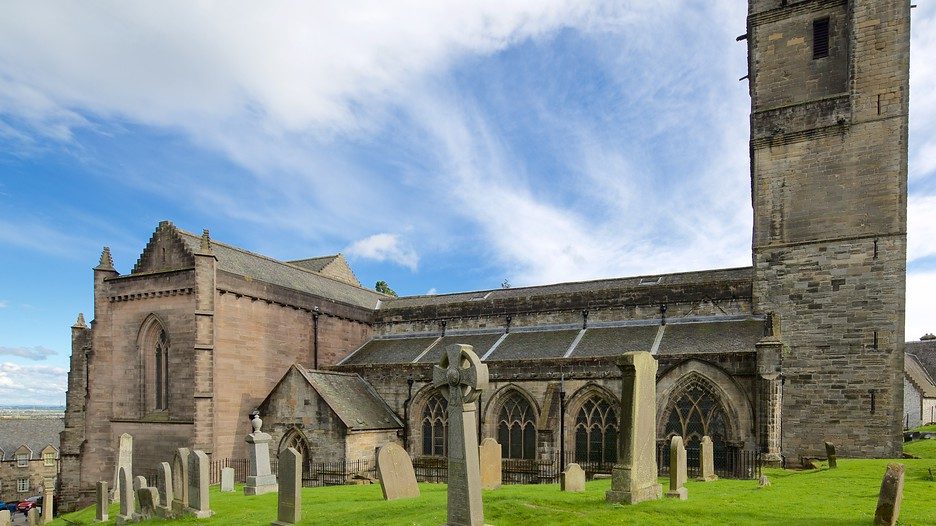
A historic medieval church famous for its architecture and graveyard.
A historic stone bridge dating back to the 16th century.
A tower commemorating William Wallace with views over the region.
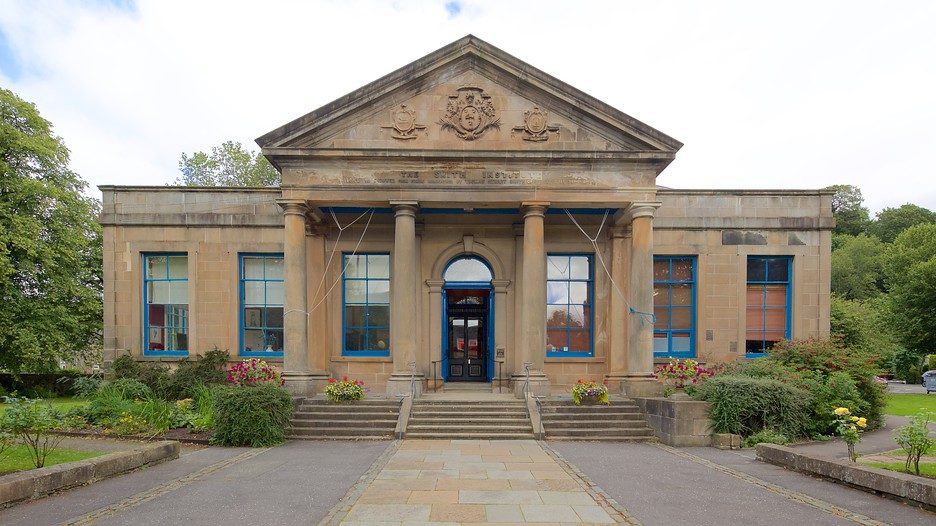
Features local history and rotating cultural exhibitions.
Located near the train station for easy transport links.
Quiet stays with direct views of the historic fortifications.
Practical lodging for travelers seeking proximity to landmarks.
Join thousands of happy travelers who have discovered this incredible experience
Book Your Experience Now